
Every modern engine plays better than any human, and every one of them plays like no one. ChessGate starts from the other end: each personality is rebuilt from the player's own games, thousands of positions in which the move actually chosen is known. A modern engine measures those choices the way a laboratory calibrates an instrument against reference standards, and what comes out is the style: not an opinion about a player, a measurement of one. And because the style is separate from the strength, you can face it at your level: Tal's attack or Karpov's squeeze against a club player, not only against a grandmaster.
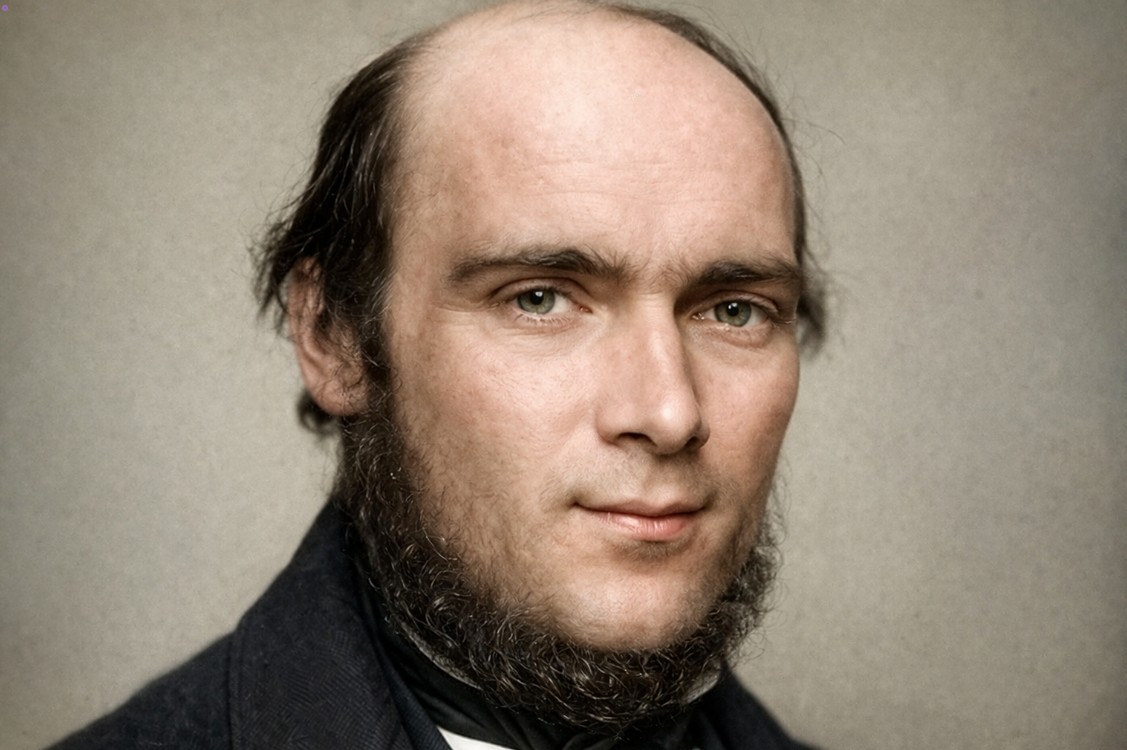
The King of Combinations. Strongest player of the 1850s-60s. Played the Immortal Game and the Evergreen Game.
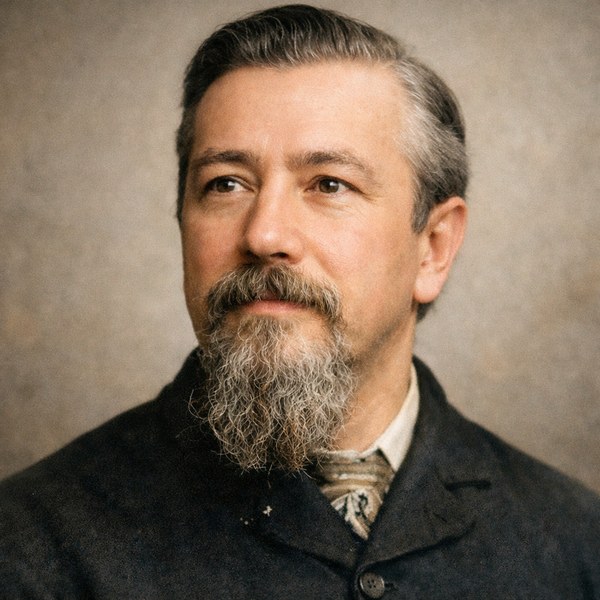
The Black Death. Victorian-era English master known for sharp, attacking play.
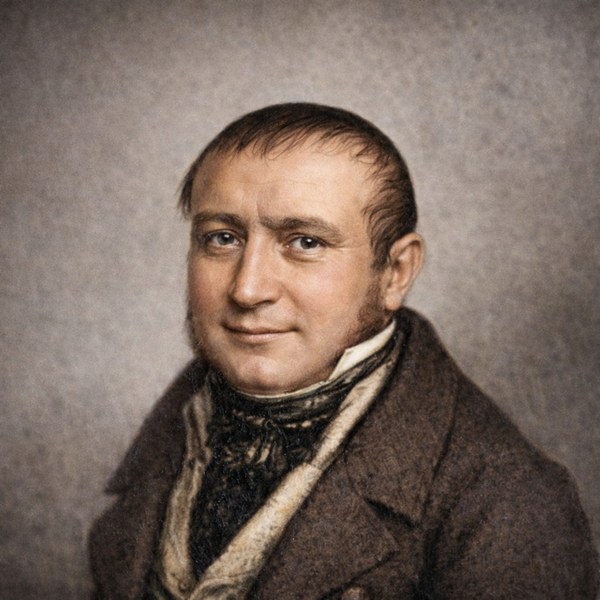
The French Champion. Strongest player in the world in the 1830s. Legendary matches against McDonnell.
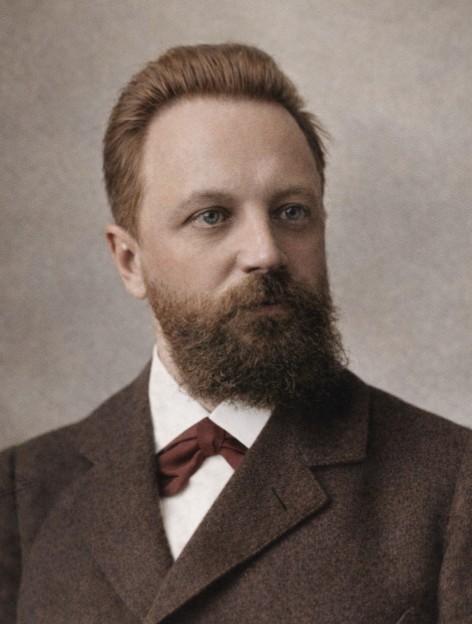
The Russian Patriarch. Father of Russian chess. Twice challenged for the World Championship. Preferred knights over bishops.
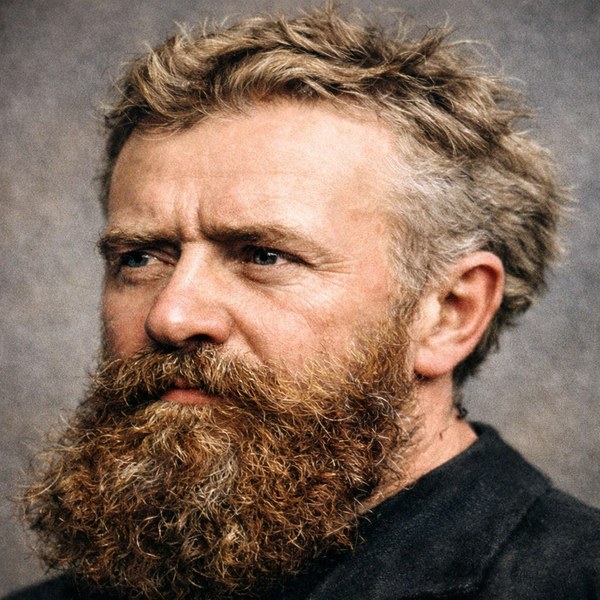
The Belfast Champion. Irish-born player famous for 85-game match against La Bourdonnais in 1834.
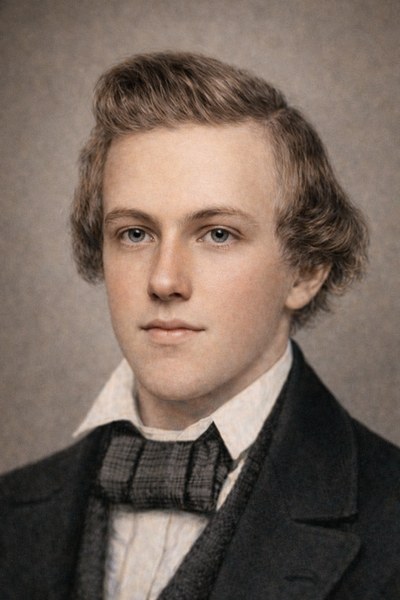
The Pride and Sorrow of Chess. The first unofficial world champion. Dominated all opponents in the 1850s.
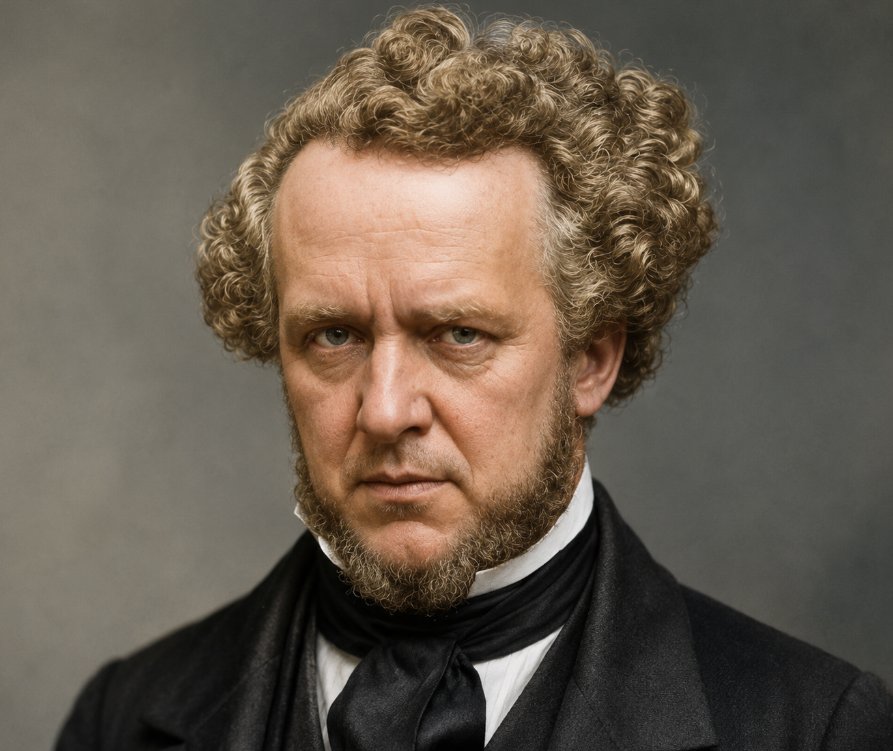
The Englishman. Considered the world's strongest player in the early 1840s and organizer of the first international tournament, London 1851.
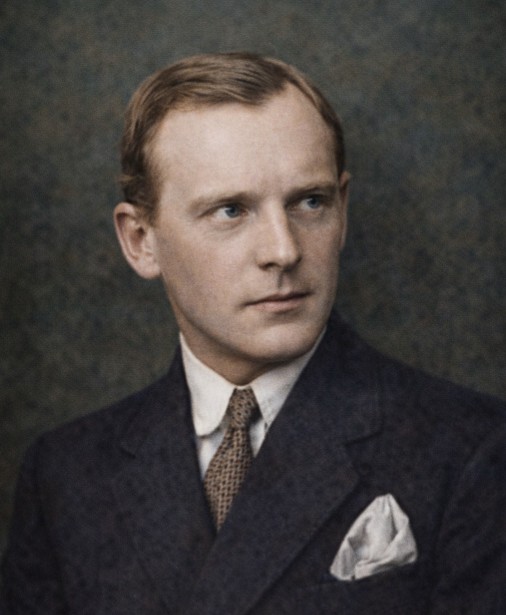
The Conqueror. World Champion 1927–1935, 1937–1946. One of the greatest attackers in chess history.
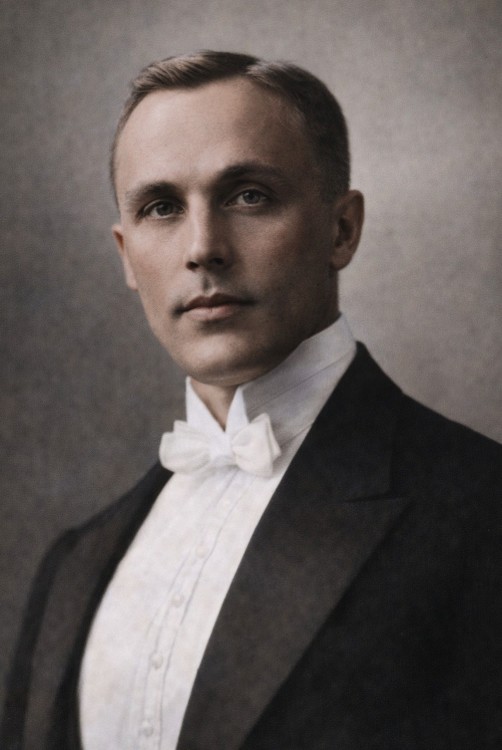
The Optimist. Twice challenged Alekhine for the World Championship. Famous for his optimistic quote: 'When I am White, I win because I am White. When I am Black, I win because I am Bogoljubow.'
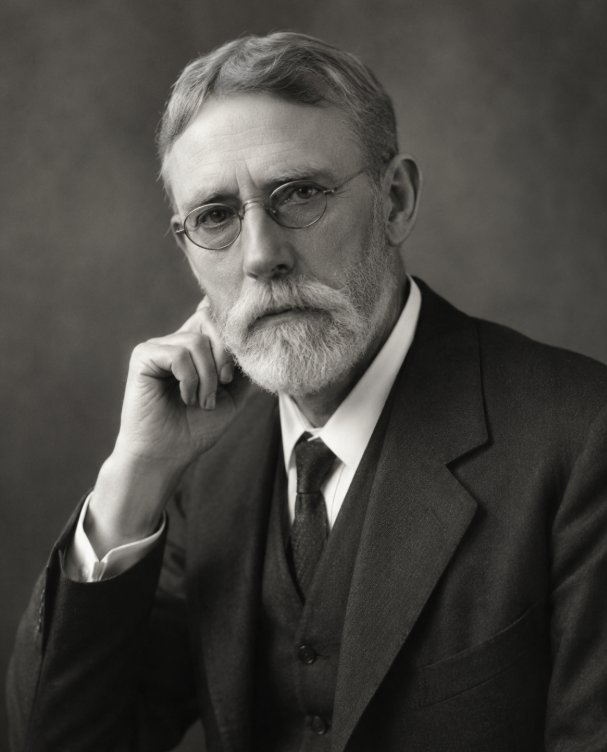
The Solid Englishman. One of the strongest English masters of the late 19th century, known for granite-solid positional play.
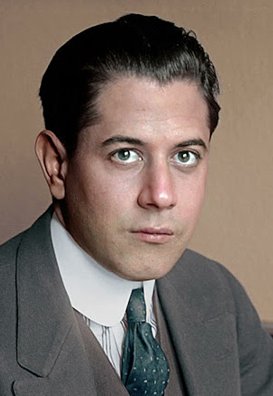
The Chess Machine. Cuban genius known for effortless play. World Champion 1921–1927.
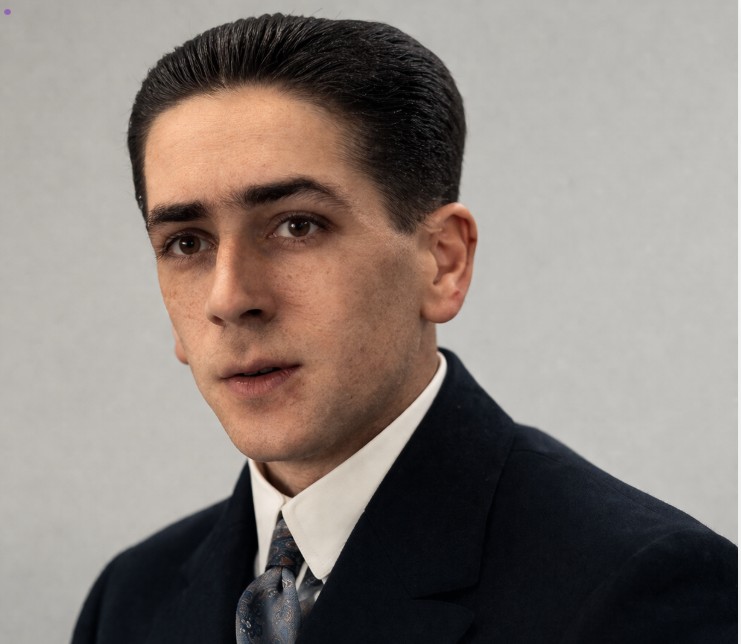
The System Player. Belgian master who created the Colle System. Died tragically young at 34.
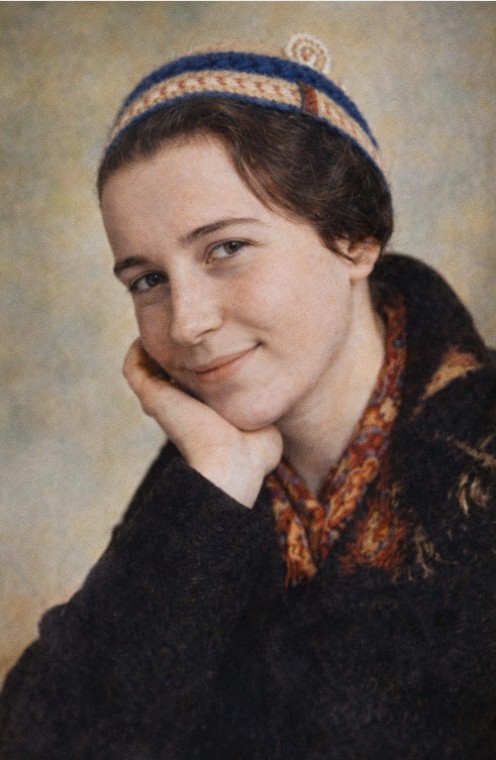
The Attacker. One of the strongest women players of her era, Graf challenged Menchik twice for the World Championship. Sharp, aggressive, and uncompromising. She played chess like a street fight.
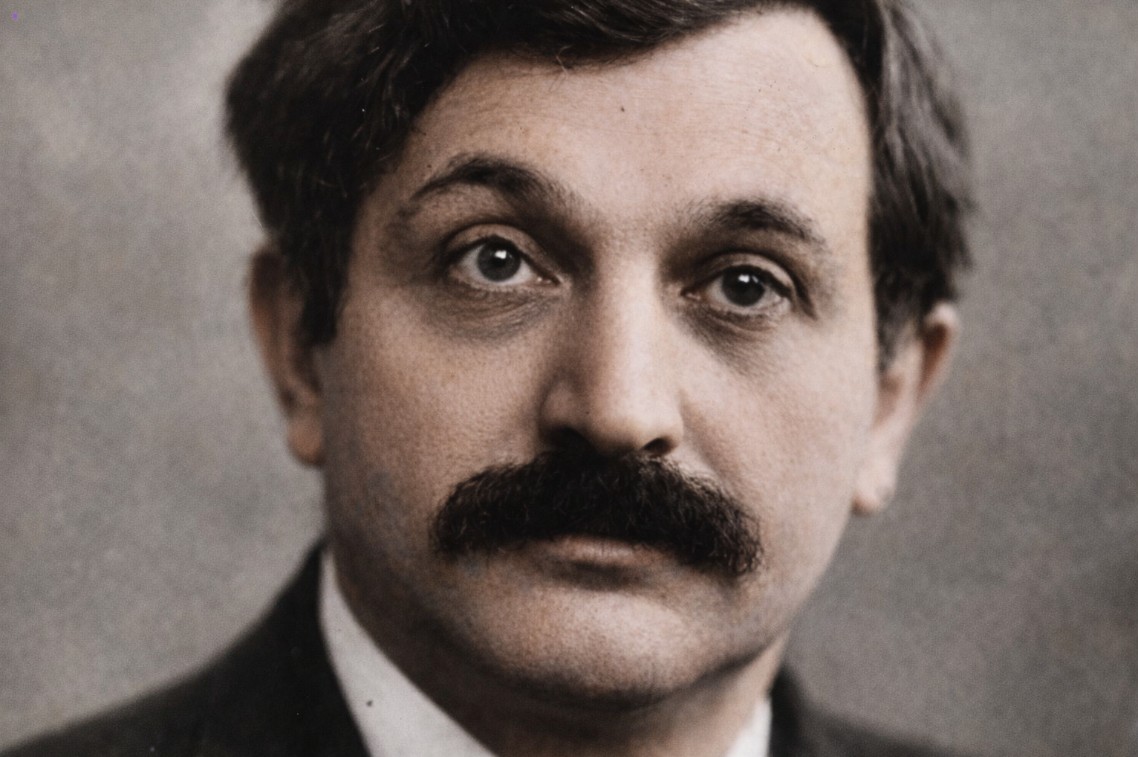
The Fighter. World Champion for 27 years (1894–1921), the longest reign in history. A philosopher and mathematician who played the opponent as much as the board.
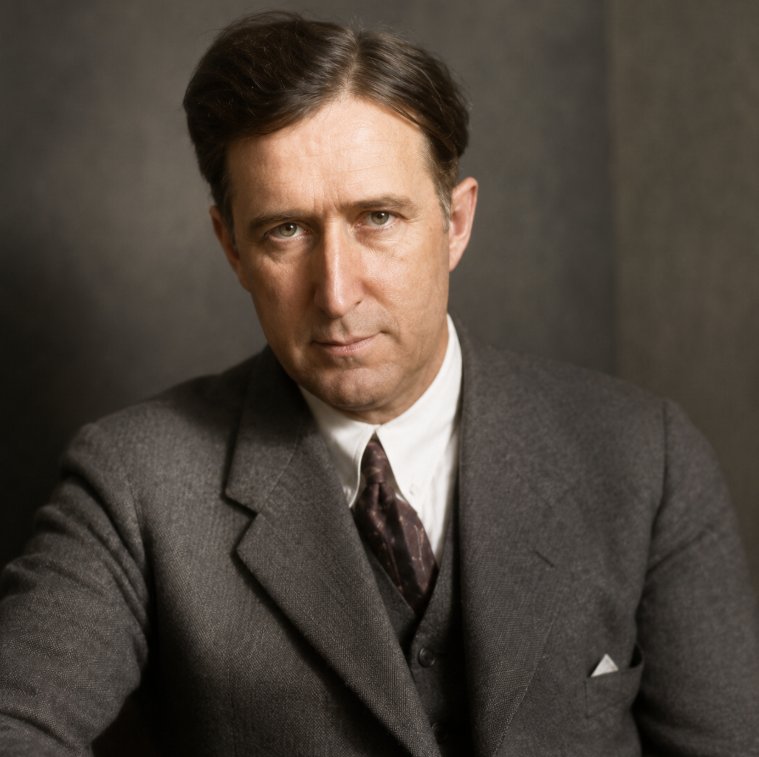
The American Brilliance. U.S. Champion for 27 unbroken years and the inventor of the Marshall Attack, one of the most aggressive replies to the Ruy Lopez ever devised.
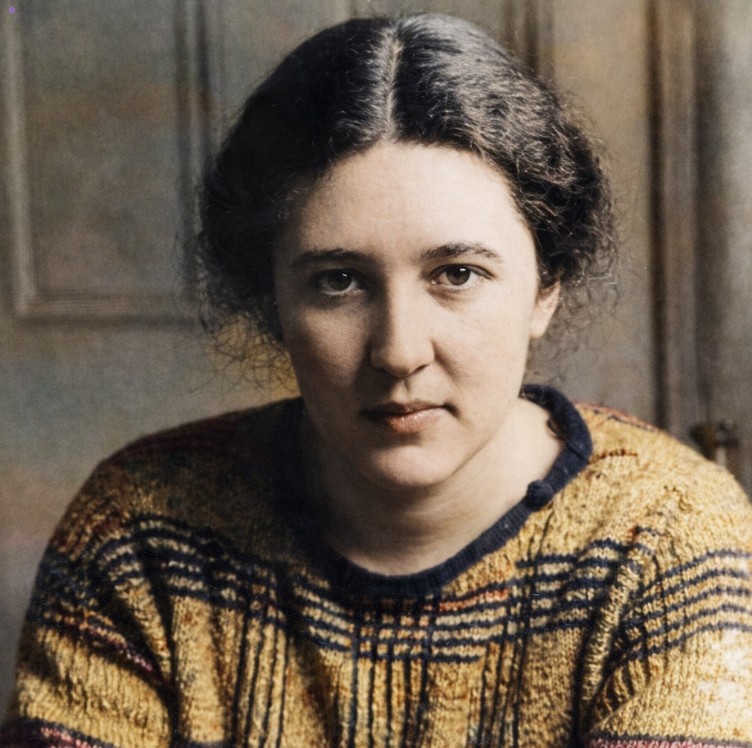
The First Queen of Chess. The first Women's World Champion, who held the title from 1927 until her tragic death. Menchik didn't just beat women. She regularly defeated the world's top male players, including future World Champions.
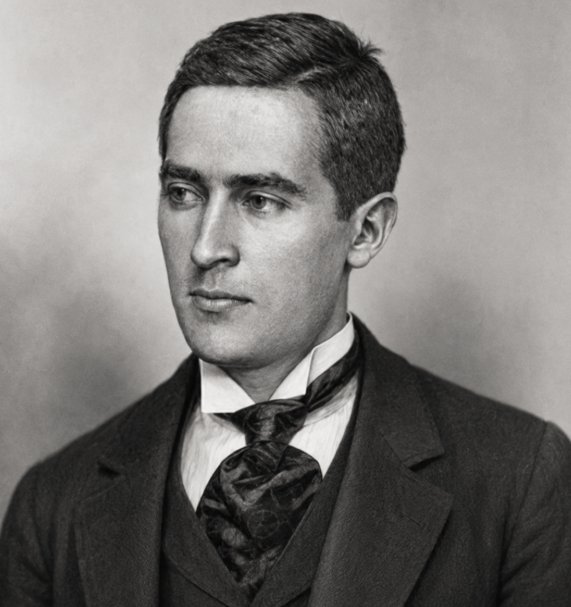
The American Wonder. Won the legendary Hastings 1895 tournament in his international debut, ahead of Lasker, Steinitz, and Tarrasch. Died tragically young at 33.
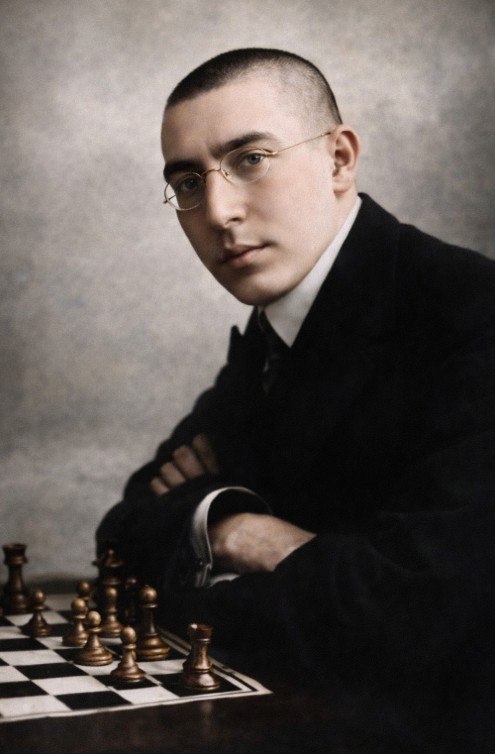
The Uncrowned King. Greatest player to never become World Champion. His endgame play was considered flawless.
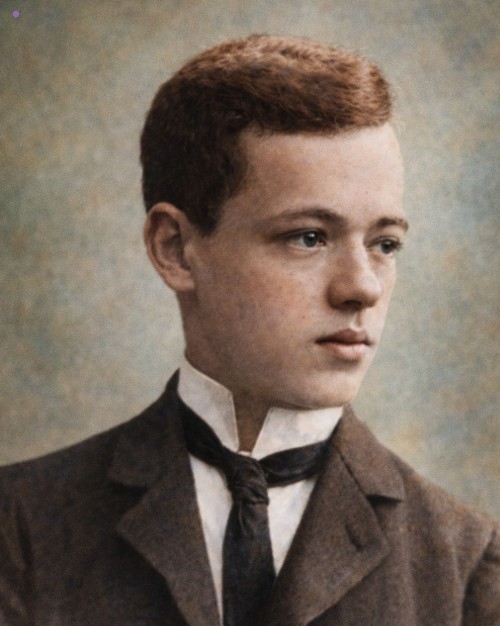
The Artist of Attack. Author of 'The Art of Sacrifice in Chess'. A romantic attacker who refused to compromise in an era moving toward positional play.
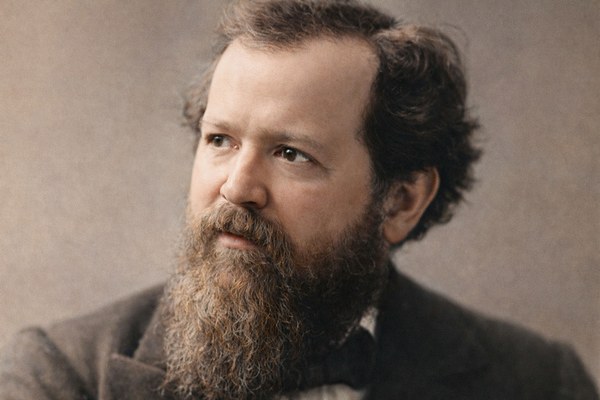
The Father of Modern Chess. First official World Champion. Founder of positional chess theory.
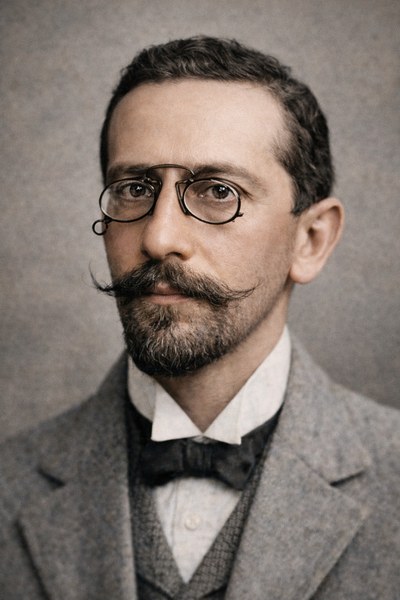
The Teacher. Great chess theorist and one of the strongest players of his era.
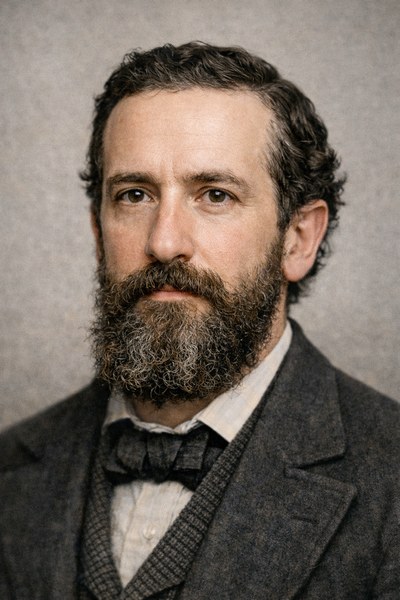
The Breslau Maestro. Lost the first official World Championship match to Steinitz in 1886.
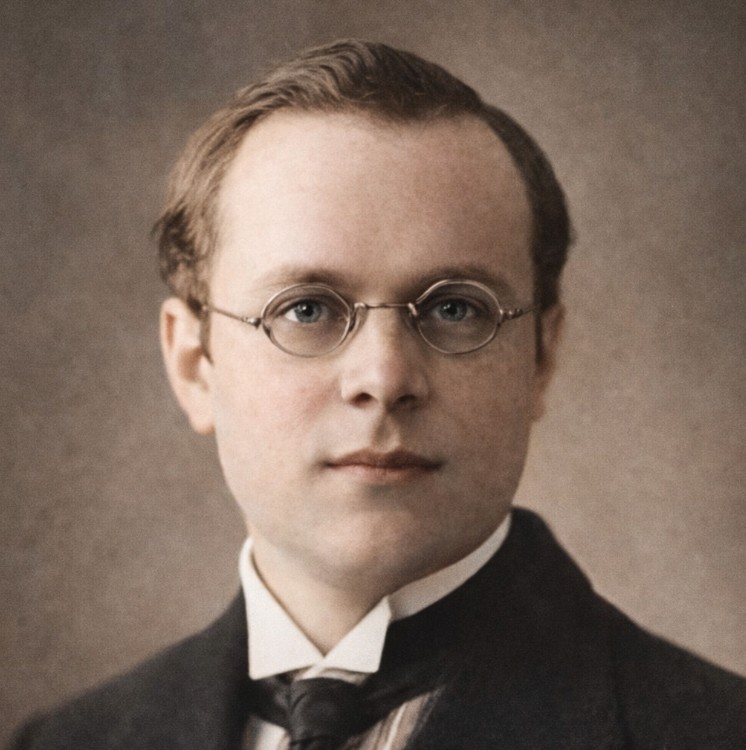
The Blockader. Hypermodern revolutionary who proved pawns in the center could be attacked from afar. Author of 'My System'.
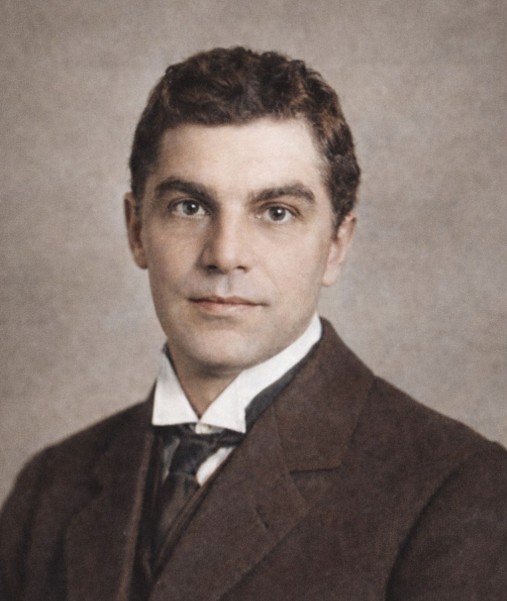
The Hypermodern. Co-founder of the Hypermodern school. Famous for Réti's Endgame Study and the Réti Opening.
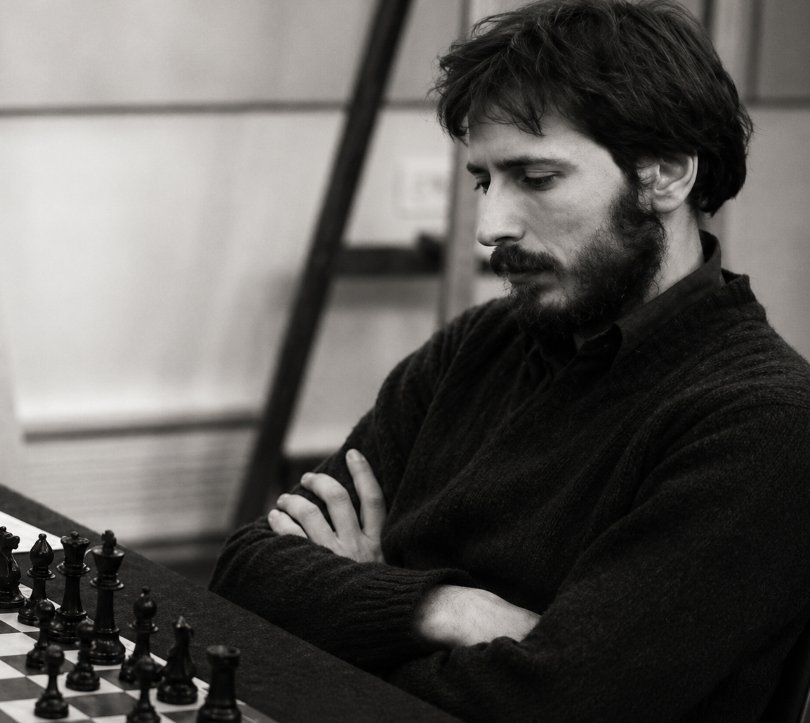
The Unorthodox. English IM and chess teacher famous for refusing to play normal openings, 1.g4, 1.a3, the St. George Defence, all his children.
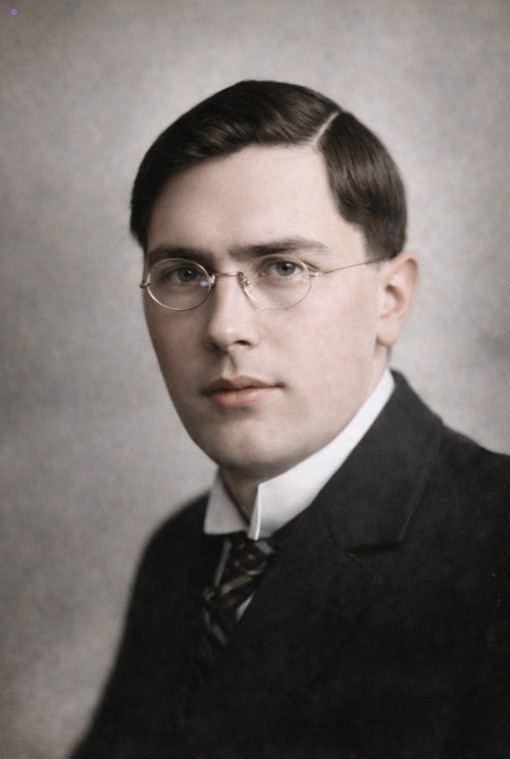
The Scholar. Dutch World Champion (1935–1937) who defeated Alekhine. A mathematics professor who brought scientific rigor to chess preparation.
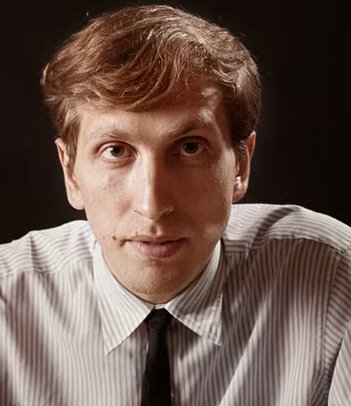
The Greatest. American prodigy who dominated the chess world. World Champion 1972–1975.
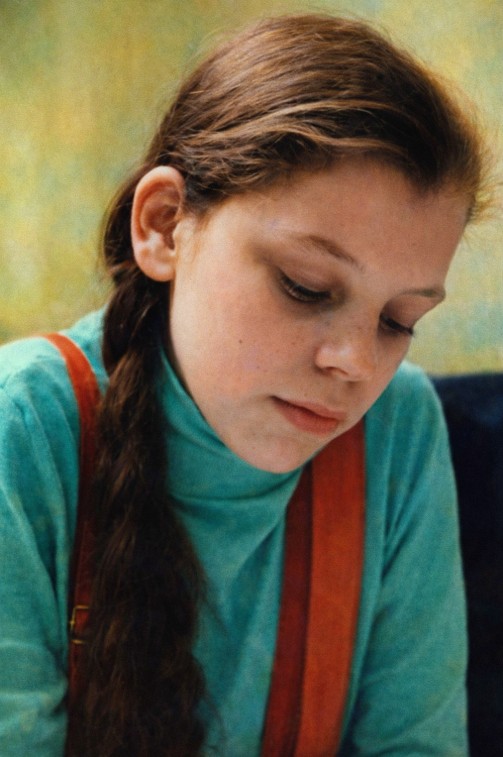
The DDR Champion. Three-time DDR Women's Champion, Heintze was the strongest female player in East Germany during the 1980s. A product of the rigorous Soviet-influenced chess school of the DDR.
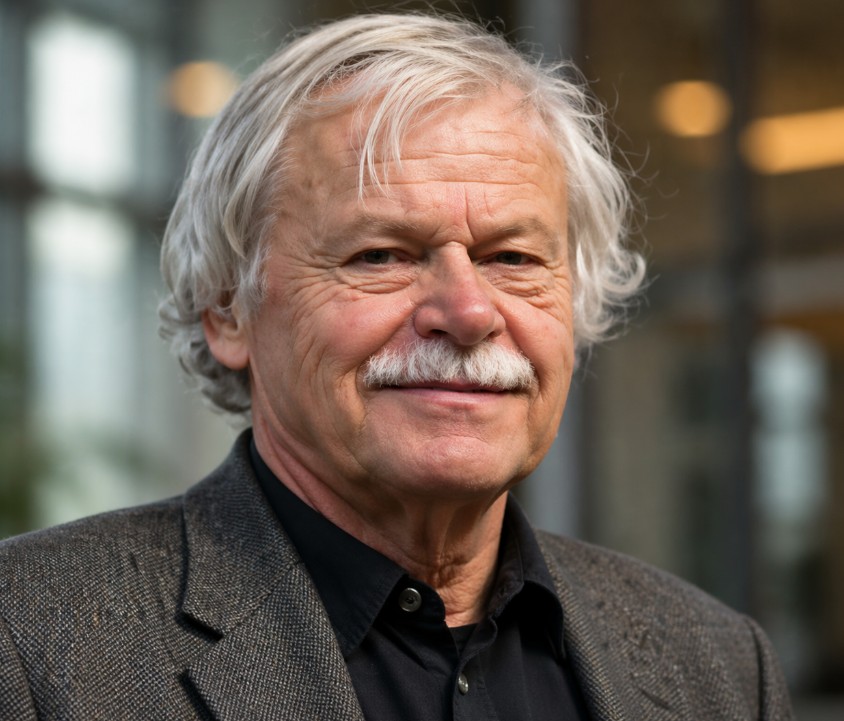
The Gentleman. Czechoslovakia's strongest player for two decades. A World Championship Candidate known for his universal style.
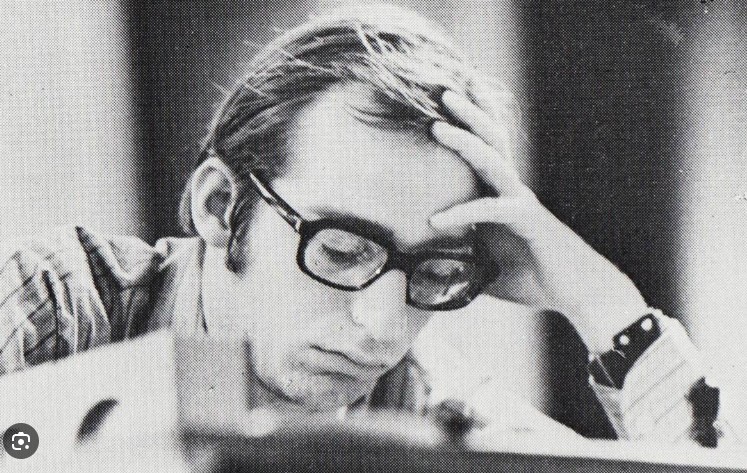
The Scholar. World Championship Candidate and papyrologist. One of the strongest German players in history.
The Boa Constrictor. Positional genius who slowly suffocated opponents. World Champion 1975–1985.
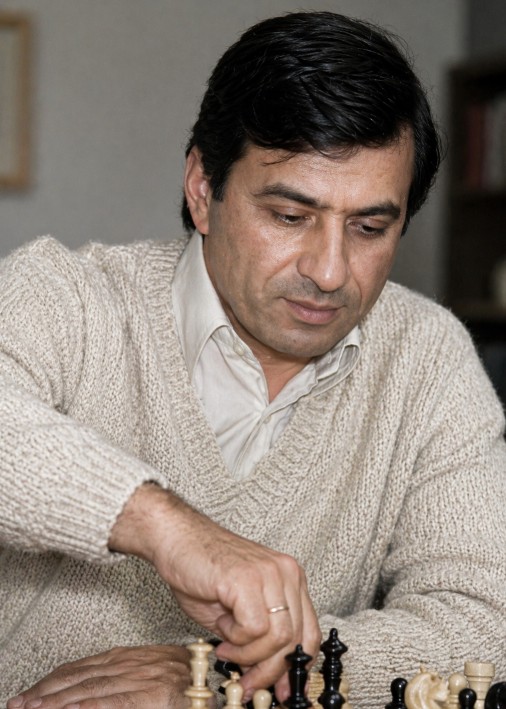
The Swashbuckler. Yugoslavia's greatest chess talent. Known for spectacular attacking play and a romantic approach to the game.
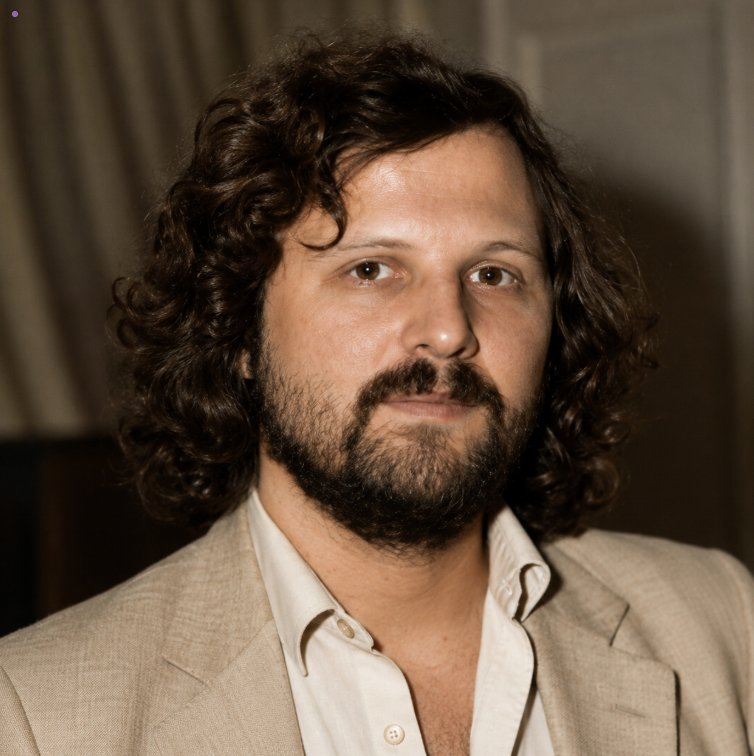
England's First GM. England's first Grandmaster (1976) and famously the man who beat World Champion Karpov with 1.e4 a6 in 1980.
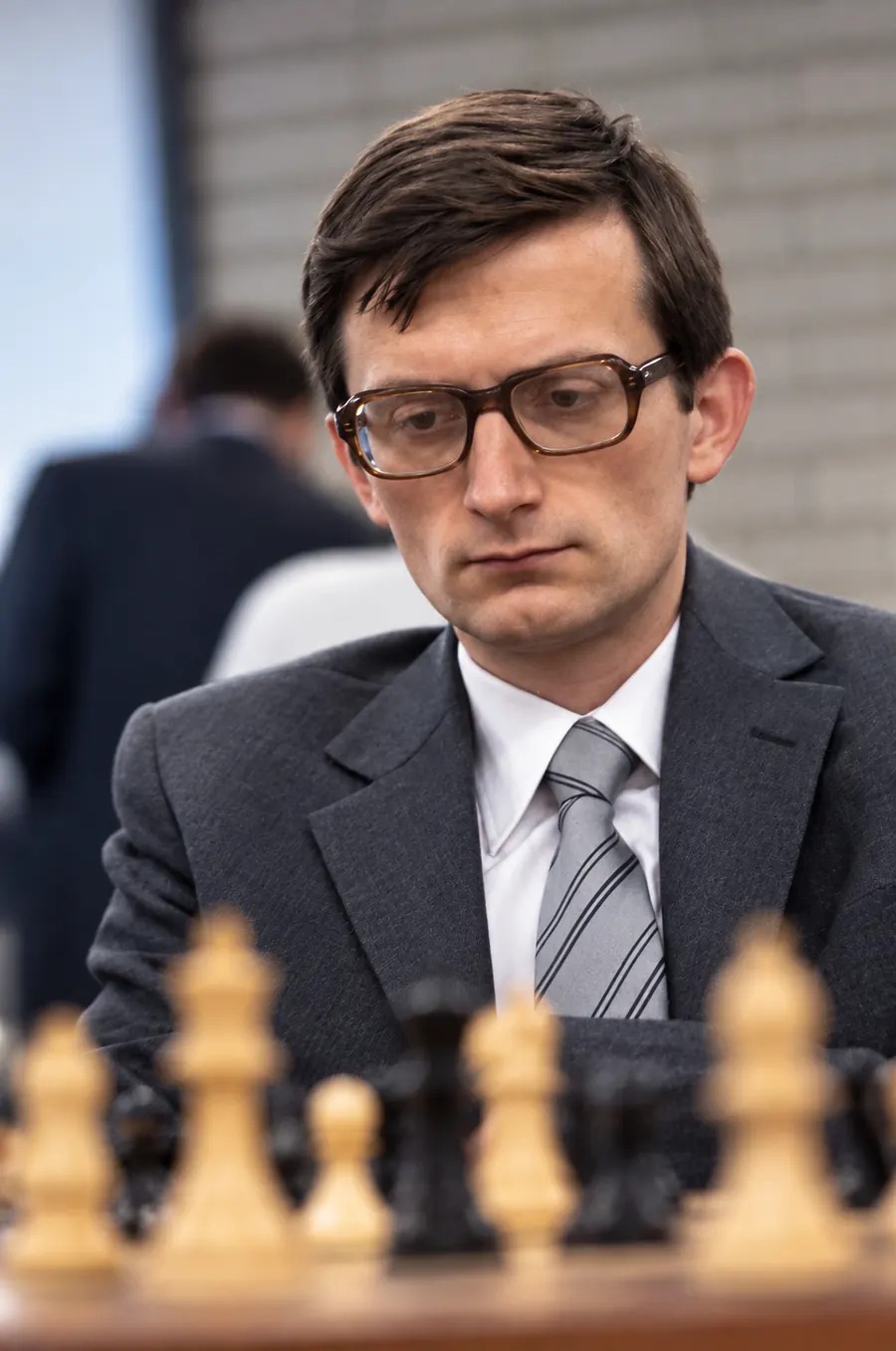
The Slovenian Attacker. Yugoslav attacking grandmaster whose imaginative, sacrificial play made him one of the most feared tacticians on the strong Yugoslav circuit.
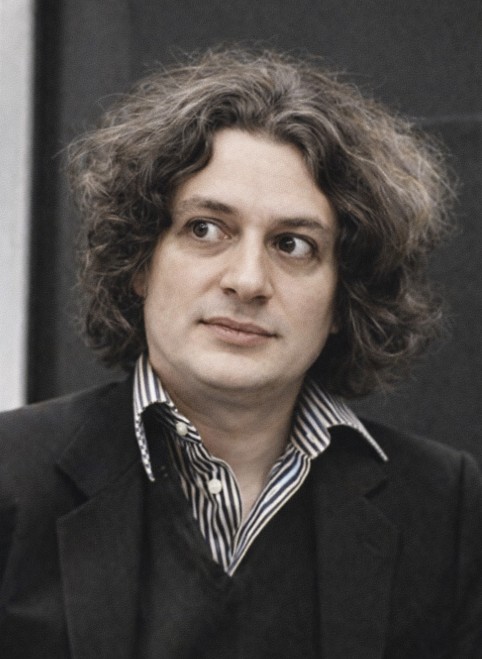
The Best of the West. The strongest Western player during Soviet chess dominance. World Championship candidate for decades.
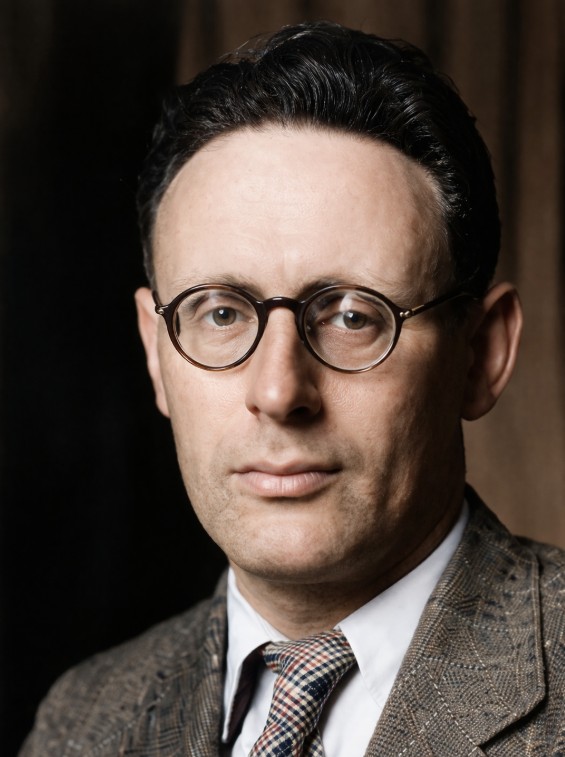
The Iron Man. Three-time World Champion and father of Soviet chess school. Trained Karpov, Kasparov, and Kramnik.
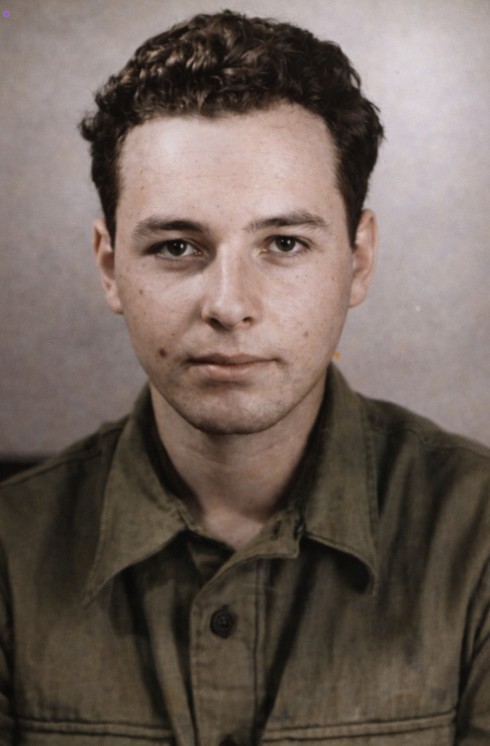
The Artist. Drew the 1951 World Championship match against Botvinnik, the closest anyone came without winning. A creative genius who valued beauty over results.
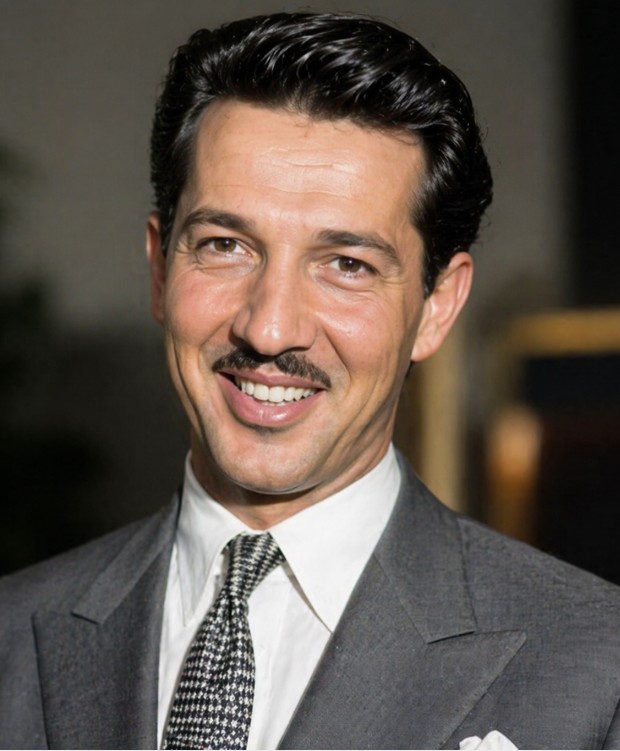
The Iron Serb. Yugoslavia's first grandmaster and 12-time national champion. A towering figure in post-war European chess.
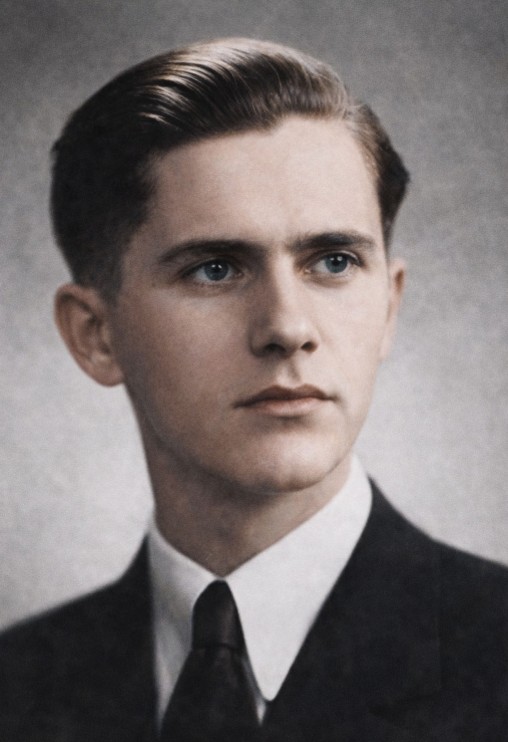
The Crown Prince. Four times second in the Candidates tournament. The strongest player never to become World Champion. His universal style made him dangerous in every type of position.
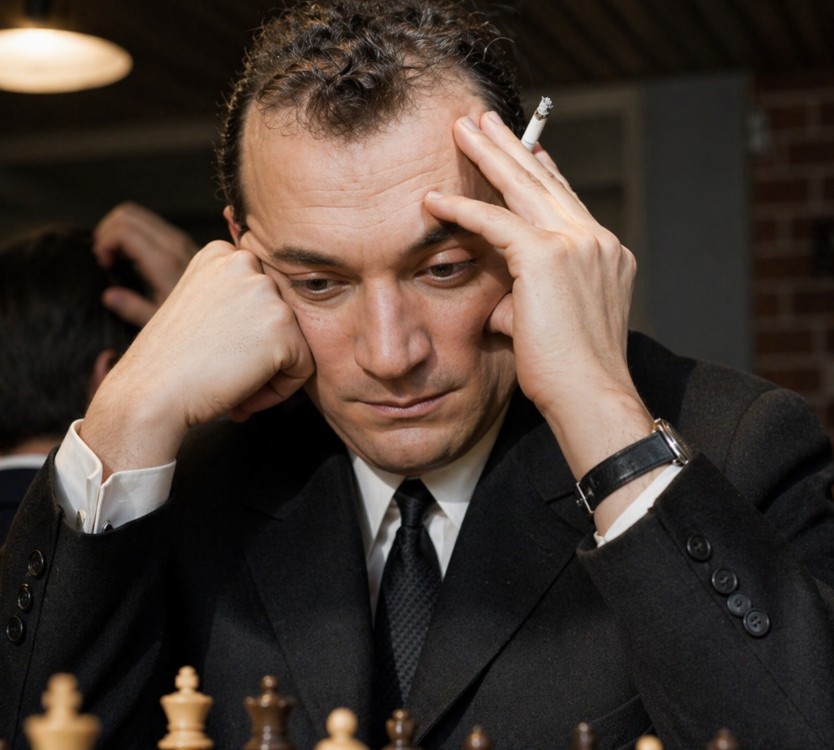
The Fighter. The greatest player never to become World Champion. Defected from the USSR and fought Karpov in two legendary matches.
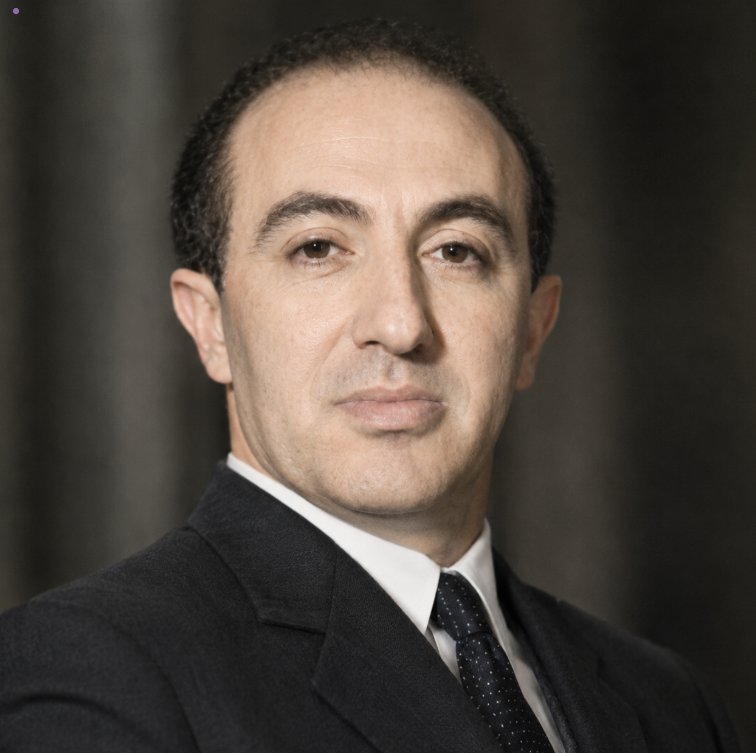
The Chess Lion. Polish-Argentine grandmaster among the world's top ten for decades. The Najdorf Sicilian is named after him and remains a cornerstone of opening theory.
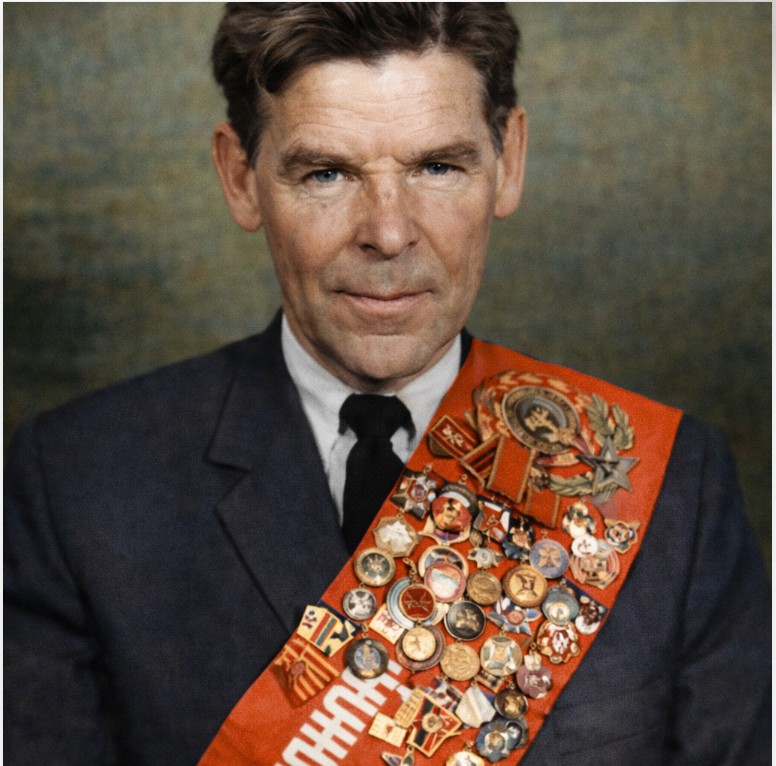
The Tactician. Never became a Grandmaster, yet defeated multiple World Champions with jaw-dropping brilliancies. Tal called him the most dangerous attacking player he ever faced.
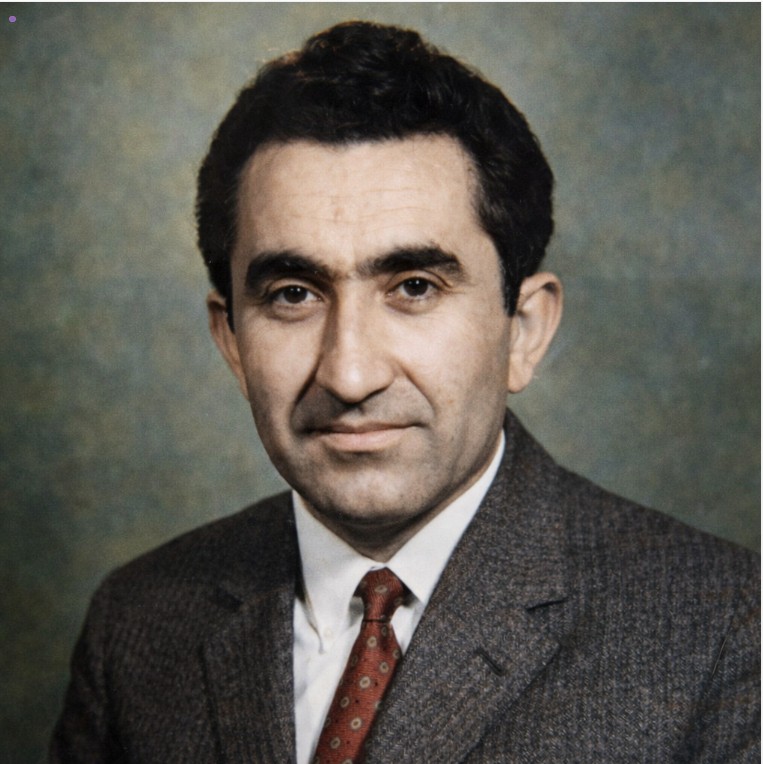
Iron Tigran. World Champion 1963–1969. The greatest defensive player who ever lived.
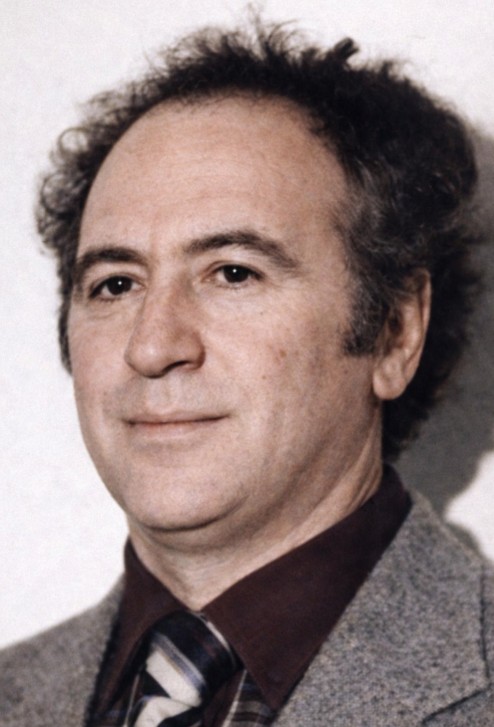
The Analyst. The deepest analyst of his generation. His preparation in the Sicilian Najdorf produced some of the most theoretically important games ever played.
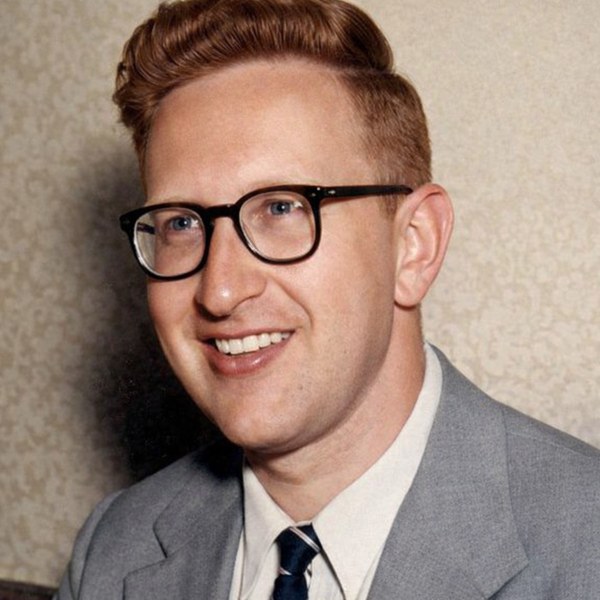
The Hand. Endgame virtuoso with perfect piece placement. World Champion 1957–1958.
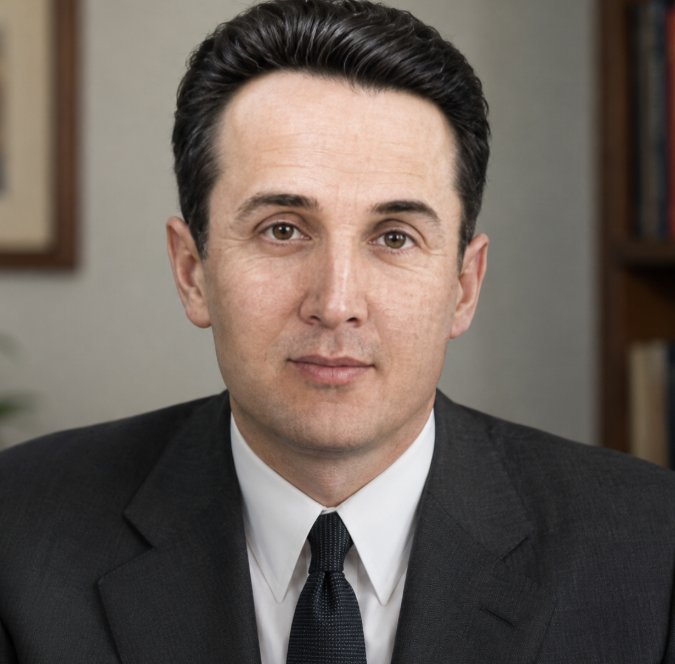
The Theorist. Soviet master and theoretician who built an entire opening system around 1.b4, now called the Sokolsky Opening.
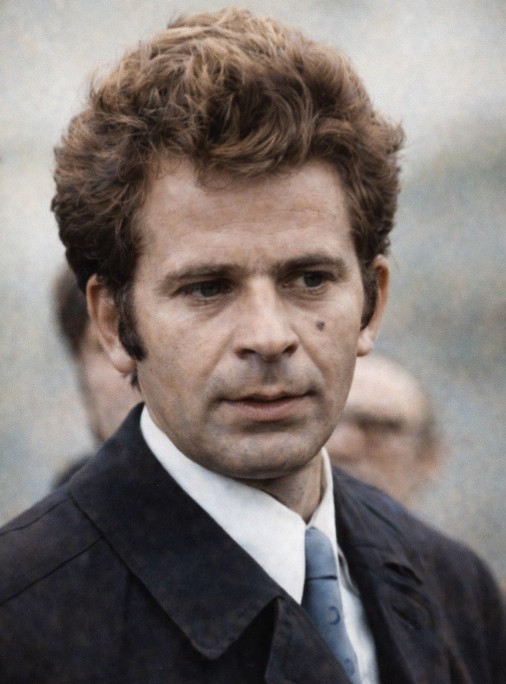
The Universal Player. World Champion 1969–1972. Equally at home in sharp tactics and deep positional play.
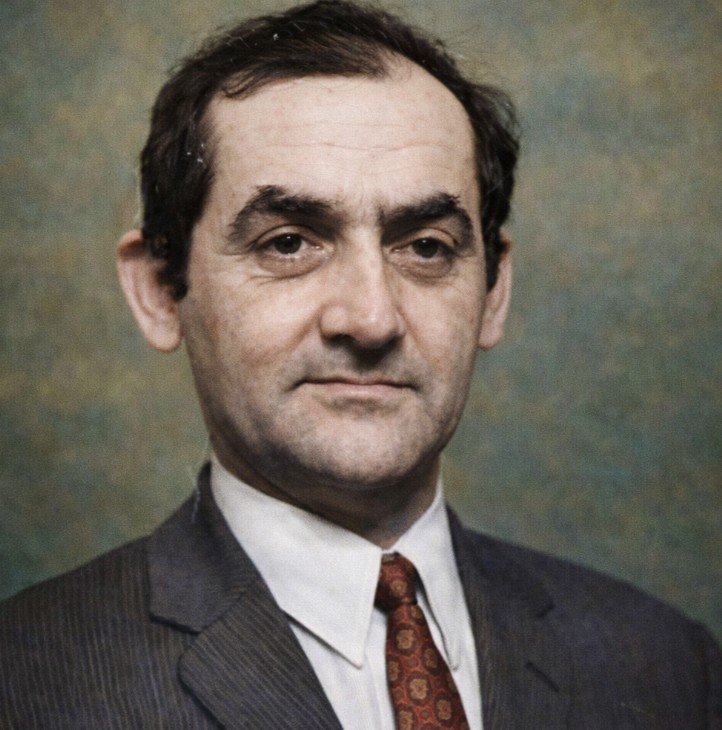
The Comet. Three-time Soviet Champion who burned bright and died young at 38. Fischer considered him one of the most dangerous opponents in the world.
The Magician from Riga. Brilliant attacker who sacrificed pieces with abandon. World Champion 1960–1961.